
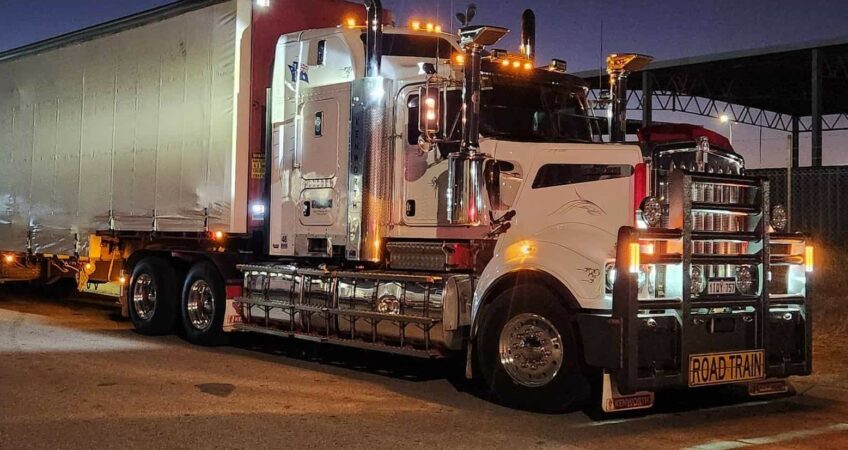
Heavy haulage plays a critical role across several key industries in Australia. The sectors that rely on it most include mining and resources, construction and infrastructure, energy and renewables, agriculture, and oil and gas.
In simple terms, heavy haulage is used whenever equipment or materials are too large, too heavy, or too complex to move using standard freight methods. That might include transporting mining equipment to remote sites, moving oversized components for infrastructure projects, or delivering wind turbine parts across long distances.
Australia’s geography makes this even more important. Projects are often located far from major cities, with limited access and strict delivery timelines. Without the right planning, equipment, and experience, delays can quickly impact entire operations.
To better understand where heavy haulage is most critical, it helps to look at the industries that depend on it every day and why specialist transport is essential to keeping them moving.
Quick Summary
- Heavy haulage is essential for moving oversized and complex equipment across Australia
- Key industries include mining, construction, energy and renewables, agriculture, and oil and gas
- Australia’s large distances and remote project locations increase the need for specialised transport
- Loads often exceed standard size and weight limits, requiring permits, planning, and specialised trailers
- Delays in transport can impact entire projects, making timing and coordination critical
- Each industry has unique challenges, but all rely on safe, well-planned logistics
- Choosing an experienced provider helps reduce risk and keep projects running smoothly
Why Heavy Haulage Is Critical in Australia
Heavy haulage is not just about moving large equipment. In Australia, it is a core part of how major industries operate and grow.
One of the biggest factors is distance. Projects are often spread across vast regions, far from ports, cities, or suppliers. Moving equipment from one location to another is rarely straightforward, especially when dealing with oversized loads.
Access is another challenge. Many sites are located in regional or remote areas, where road conditions, infrastructure limitations, and restricted access routes all need to be carefully managed. This is where understanding metro, regional and remote freight challenges becomes critical.
On top of that, heavy haulage often involves over-dimensional freight. Loads can exceed standard height, width, or weight limits, which means specialised trailers, permits, and escort vehicles are required. Navigating oversized load regulations in Australia is a key part of the process.
Planning is what ties it all together. Every move needs to be assessed in advance, from route selection to safety requirements and timing. Without proper coordination, even a single transport job can cause delays across an entire project. This is why why planning matters in heavy haulage is not just theory, it directly impacts outcomes on site.
Mining and Resources Industry
What Needs to Be Transported
The mining sector is one of the biggest users of heavy haulage in Australia. Operations depend on moving large, complex equipment into remote locations where standard freight simply is not an option.
- Dump trucks and haul trucks
- Excavators and loaders
- Drill rigs and crushing equipment
- Generators, conveyors, and processing plant
- Site infrastructure such as accommodation modules
These are not small or easily moved items. Many exceed standard size and weight limits, requiring specialised equipment and careful coordination.
Why Heavy Haulage Is Essential
Mining projects are often located in remote regions, far from major transport hubs. This makes logistics more complex and less forgiving if something goes wrong.
There are also strict timelines to consider. Equipment needs to arrive on schedule to avoid costly downtime, especially during shutdown periods. Delays can affect production, safety, and overall project performance.
Understanding haulage in the mining industry highlights just how critical transport is to daily operations. It is not just about moving equipment, it is about keeping sites running.
On top of this, operators must overcome significant logistical challenges, from route restrictions to site access and environmental conditions. These are explored further in logistical challenges in mining.
To handle these demands, specialised solutions like heavy machinery transport are essential. The right equipment, planning, and experience ensure loads are delivered safely and efficiently, even in the most challenging environments.
Construction and Infrastructure Projects
Common Heavy Haulage Loads
Construction and infrastructure projects rely heavily on the movement of large equipment and materials. These jobs often involve multiple stages, with different types of machinery and components needing to arrive at the right time.
- Cranes and lifting equipment
- Earthmoving machinery such as bulldozers and graders
- Piling rigs and drilling equipment
- Precast concrete panels and bridge sections
- Site offices and temporary structures
Many of these items are oversized or difficult to break down, making heavy haulage the only practical transport solution.
Project Pressures and Logistics
Construction projects operate on tight schedules. Delays in transport can quickly impact other trades, push out timelines, and increase costs across the entire job.
Planning is critical. Each load needs to be assessed for size, weight, route access, and permit requirements. This is where planning oversized transport becomes essential to avoid disruptions.
There is also a strong focus on safety. Moving large loads through urban areas or active work sites requires precise coordination. Following best practices for moving oversized loads safely helps reduce risks during transport.
On-site readiness is another key factor. If a site is not properly prepared, it can delay unloading and create unnecessary complications. Understanding how to prepare your site for heavy haulage delivery ensures everything runs smoothly from arrival through to installation.
Energy and Renewable Projects
Types of Equipment Transported
Australia’s energy sector, particularly renewables, is driving a growing demand for heavy haulage. These projects involve large-scale components that are difficult to transport and require specialised handling.
- Wind turbine blades, towers, and nacelles
- Solar panels and mounting systems
- Battery storage units and containers
- Transformers and substation equipment
These components are often oversized, fragile, and high value, which means transport needs to be carefully managed from start to finish.
Unique Transport Challenges
Renewable energy projects are typically located in regional or remote areas, where access can be limited. Transport routes may involve narrow roads, tight turns, or uneven terrain, all of which require detailed planning.
Many of these loads also fall into the over-dimensional category. This means specialised trailers, escort vehicles, and permits are required. Using over-dimensional transport solutions ensures these loads can be moved safely and in compliance with regulations.
Timing is another critical factor. Renewable projects often work toward strict commissioning deadlines. Any delay in transport can impact installation schedules and overall project delivery. This is why renewable energy transport requires a high level of coordination and experience.
Finally, remote delivery plays a key role. Getting equipment to off-grid locations requires careful route planning and contingency planning. Leveraging remote freight delivery ensures equipment reaches site safely, even in challenging conditions.
Agriculture and Regional Industries
Equipment and Freight
Agriculture relies on heavy haulage to move large machinery and infrastructure across regional Australia. Unlike other industries, demand is often seasonal, but when it is needed, timing is critical.
- Tractors and harvesters
- Seeders and sprayers
- Water tanks and silos
- Fencing and irrigation infrastructure
- Bulk handling and storage equipment
These items are often oversized and need to be transported between farms, depots, or regions, sometimes over long distances.
Key Considerations
Agricultural transport comes with its own challenges. Many deliveries take place in regional or remote areas where road access can be limited or unpredictable. Understanding remote delivery freight is essential for ensuring equipment arrives without delays.
Seasonality also plays a big role. Machinery needs to be in place before planting or harvest periods begin. Missing these windows can directly impact productivity and profitability.
The type of trailer used is another important factor. Different loads require different configurations to ensure safe and compliant transport. Knowing the types of trailers used in freight helps ensure the right equipment is matched to the job.
Oil and Gas Sector
Heavy Haulage Requirements
The oil and gas sector relies on heavy haulage to move large, complex equipment between fabrication yards, industrial facilities, and operational sites. These loads are often oversized, heavy, and highly specialised.
- Pipes and structural modules
- Processing equipment and pressure vessels
- Generators and compressors
- Skid-mounted systems and plant components
Many of these items are not only large but also sensitive, requiring careful handling and secure transport.
Why Specialist Transport Matters
Safety and compliance are critical in oil and gas logistics. Loads may be classified as hazardous or require strict handling procedures. Understanding transporting dangerous goods safely is essential to meet regulatory requirements and reduce risk.
Transport is often coordinated between industrial hubs and remote project sites. This requires precise planning, particularly when dealing with oversized or irregular freight that cannot be easily rerouted.
Using solutions like full truck load transport ensures that large or high-value equipment is moved efficiently without unnecessary handling or delays.
Other Industries That Depend on Heavy Haulage
Marine and Boat Transport
The marine industry often requires the movement of large vessels. Understanding how boats are transported highlights the level of planning involved. For reliable solutions, boat transport services provide the expertise required.
Civil and Specialised Infrastructure
Civil projects often involve transporting large and sensitive components that require strict compliance and coordination.
Industrial and Manufacturing
Manufacturing sectors rely on heavy haulage for moving plant equipment, machinery, and large components between facilities or sites.
Choosing the Right Heavy Haulage Partner
Choosing the right partner can make a significant difference to project timelines, safety, and overall outcomes.
Understanding choosing the right transport company helps you make an informed decision.
There are also clear advantages outlined in benefits of hiring a heavy haulage company.
Why Heavy Haulage Matters for Australian Industry
Heavy haulage underpins many of Australia’s most important industries. From mining and construction through to energy, agriculture, and oil and gas, these sectors depend on safe and efficient transport.
Learn more about our experience in heavy haulage or get in touch with our team.