
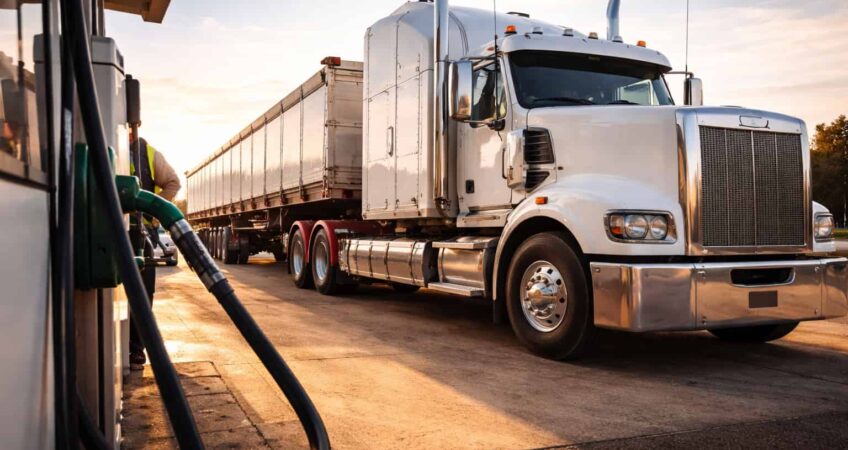
Fuel is one of the largest operating costs in the transport industry. When oil prices rise or fall, the effects are quickly felt across logistics networks, freight rates, and supply chains.
Road freight relies heavily on diesel. Heavy haulage trucks operate across long distances and often carry extremely heavy loads. Even small changes in fuel prices can significantly affect operating costs for transport companies.
Research from Transport Intelligence estimates that fuel can account for around 20–30% of total road freight operating costs, meaning fluctuations in global oil prices can directly influence freight rates.
These price changes do not just affect transport providers. They also impact businesses that rely on freight services, from construction and mining companies to manufacturers and infrastructure projects.
Understanding how oil prices influence logistics helps explain why freight rates sometimes change. It also explains why mechanisms such as fuel levies in heavy haulage exist within the transport industry.
In this article, we explain how oil prices affect logistics, why freight costs move with fuel prices, and how experienced transport providers manage these changes.
Why Fuel Is One of the Largest Costs in Freight Transport
Fuel is essential to road freight operations. Every kilometre travelled, every tonne moved, and every delivery completed relies on diesel-powered transport.
Heavy haulage vehicles consume significant amounts of fuel, particularly when carrying oversized or high-weight loads. Long-distance freight routes, common across Australia, further increase fuel consumption.
For example, a prime mover hauling heavy equipment across regional Western Australia may travel hundreds or even thousands of kilometres. Over long routes like Perth to the Pilbara or remote mining regions, fuel becomes one of the most significant operating expenses.
Industry research shows that fuel typically represents around 20–30% of total freight operating costs for road transport companies. Because of this, even modest changes in fuel prices can have a noticeable impact on the cost of logistics.
Unlike some business costs that remain relatively stable, fuel prices fluctuate regularly. Oil markets respond to global supply and demand, geopolitical events, refining capacity, and seasonal consumption patterns.
For logistics companies, this volatility means fuel costs can shift quickly. Transport providers must carefully manage these fluctuations to maintain reliable services while keeping freight pricing fair and transparent.
Because of this direct connection between fuel costs and freight pricing, many transport providers use mechanisms such as fuel levies to balance sudden changes in diesel prices.
What Causes Oil Prices to Rise or Fall
Oil prices are influenced by global economic conditions, supply levels, and geopolitical events. Because diesel is refined from crude oil, these changes directly affect the cost of fuel used by the transport industry.
One of the biggest drivers of oil prices is global supply and demand. When demand for oil increases, prices typically rise. This can happen during periods of strong economic growth when industries such as manufacturing, construction, and transport require more energy.
Supply disruptions can also push prices higher. Events such as production cuts by major oil-producing countries, geopolitical tensions, or disruptions to refineries and shipping routes can quickly reduce global supply.
Seasonal demand also plays a role. For example, fuel consumption often increases during peak travel periods or colder seasons in the Northern Hemisphere, which can influence global oil markets.
Currency fluctuations can also affect fuel prices in Australia. Because crude oil is traded internationally in US dollars, changes in exchange rates can influence the cost of importing refined fuel.
These global factors mean oil prices can move rapidly. When they do, diesel prices often follow, which is why logistics costs and freight rates may change over time.
How Rising Oil Prices Affect Logistics Costs
When oil prices increase, diesel prices typically rise as well. Because fuel is a major operating cost in freight transport, these changes quickly influence the cost of logistics.
For transport providers, higher diesel prices increase the cost of running trucks across long distances. Heavy haulage vehicles transporting large equipment, machinery, or infrastructure components often travel thousands of kilometres, meaning fuel expenses can rise significantly during periods of high oil prices.
Academic research published in the journal Energy Economics has shown that fluctuations in oil prices can affect freight rates and supply chain costs across entire logistics networks. When fuel becomes more expensive, the cost of moving goods increases for transport providers, distributors, and businesses that rely on freight services.
This is one reason why freight pricing can change over time. Transport companies must balance rising operating costs while continuing to deliver reliable services.
To manage this volatility, many logistics providers use fuel levies. These mechanisms help adjust freight pricing in line with changing diesel costs, ensuring pricing remains fair and sustainable for both transport companies and their clients.
If you would like a deeper explanation of how this works, you can read our guide on fuel levies in heavy haulage.
Why Fuel Volatility Matters More in Heavy Haulage
Fuel price fluctuations affect all freight transport, but the impact is often greater in heavy haulage operations. This is because moving oversized or high-weight loads requires specialised equipment, longer routes, and greater fuel consumption.
Heavy haulage vehicles often transport machinery, mining equipment, construction materials, and infrastructure components. These loads require powerful prime movers, multi-axle trailers, and carefully planned routes.
If you are unfamiliar with the scale of these operations, our guide on what heavy haulage transport involves explains how specialised equipment and planning are required for large transport projects.
Distance is another key factor. Many heavy haulage projects involve remote locations such as mining sites, renewable energy projects, or regional infrastructure developments. These destinations can be hundreds or even thousands of kilometres from major ports or industrial centres.
Because of these distances, fuel costs accumulate quickly during long-haul transport. A single project may require multiple trips, escort vehicles, specialised trailers, and careful route planning.
This is why fuel volatility can have a greater impact on heavy haulage compared with shorter freight routes.
How Logistics Companies Manage Fuel Price Fluctuations
Although oil prices can change rapidly, experienced logistics companies use several strategies to manage fuel cost volatility and maintain reliable freight services.
One of the most important approaches is efficient route planning. Careful planning helps minimise unnecessary kilometres, reduce idle time, and avoid delays that increase fuel consumption.
Transport providers also focus on maximising load efficiency. Moving the correct load size using the right equipment helps reduce the number of trips required for a project, which directly lowers fuel usage.
Research in transport economics also shows that logistics companies respond to fuel price volatility by improving operational efficiency, including route optimisation and better load planning. Studies such as those published in Transportation Research journals highlight how operators adjust logistics strategies when fuel costs rise. Many transport companies monitor fuel consumption, driver behaviour, and vehicle performance to improve operational efficiency.
Fuel levies are another common industry mechanism. These allow freight pricing to adjust in line with changing diesel prices, helping ensure transport providers can continue delivering reliable services without sudden pricing changes.
Businesses looking to improve freight efficiency can also explore strategies such as those discussed in our article on reducing logistics costs for your business.
Why Understanding Fuel Costs Matters for Businesses
For businesses that rely on freight and logistics, fuel prices are an important factor in overall transport costs. Industries such as mining, construction, agriculture, and infrastructure development often depend on reliable heavy haulage to move equipment and materials across long distances.
When oil prices rise, transport providers may face higher operating costs due to increased diesel prices. These changes can influence freight pricing, project budgets, and supply chain planning.
In sectors such as mining, where logistics often involve long regional routes, fuel costs can significantly influence operational planning. Our article on logistical challenges in the mining industry explains how transport planning plays a critical role in supporting remote operations.
Understanding how fuel costs affect logistics allows businesses to better plan transport requirements and project budgets.
Reliable Logistics Despite Changing Fuel Prices
Oil prices will always move in response to global supply and demand. While these fluctuations can affect the cost of freight transport, experienced logistics providers are well equipped to manage these changes.
Through efficient planning, specialised equipment, and transparent pricing structures, heavy haulage companies can continue delivering reliable transport solutions across Australia.
At Australia Wide Haulage, we understand the challenges that fuel volatility can create for businesses that depend on freight. Our team focuses on careful planning, operational efficiency, and clear communication to ensure transport projects run smoothly.
If you are planning a transport project or need support moving heavy equipment across long distances, contact Australia Wide Haulage to discuss your logistics requirements and how we can support your next project.