Full truck load freight
For packaged freight, project components or larger consignments that need the capacity of a dedicated truck movement.

MINE SITE & REMOTE TRANSPORT · WESTERN AUSTRALIA
AWH plans mine-site freight, heavy equipment and remote project loads around the confirmed freight, public-road route, site access and delivery window.
Have the load dimensions and mass, collection and delivery locations, preferred date, site-access details and any photos or drawings ready.
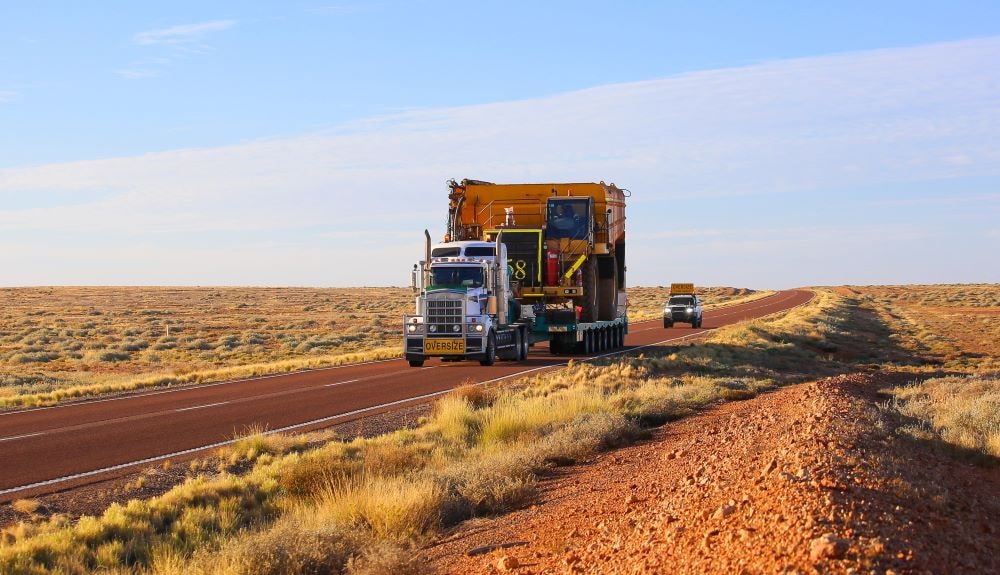
START WITH THE MOVEMENT
Mining transport covers road freight moving equipment, project components and operational supplies to or from mine sites. Australia Wide Haulage reviews each proposed movement against the freight dimensions and mass, loading needs, available trailer options, public-road route, site access and delivery requirements.
A job is only confirmed after those details have been assessed. The same destination can require a different transport plan when the load, combination, access road, unloading method or delivery window changes.
If the freight is outside standard transport dimensions, see our over-dimensional transport service. Machinery and mobile plant can also be assessed through our heavy machinery transport service.
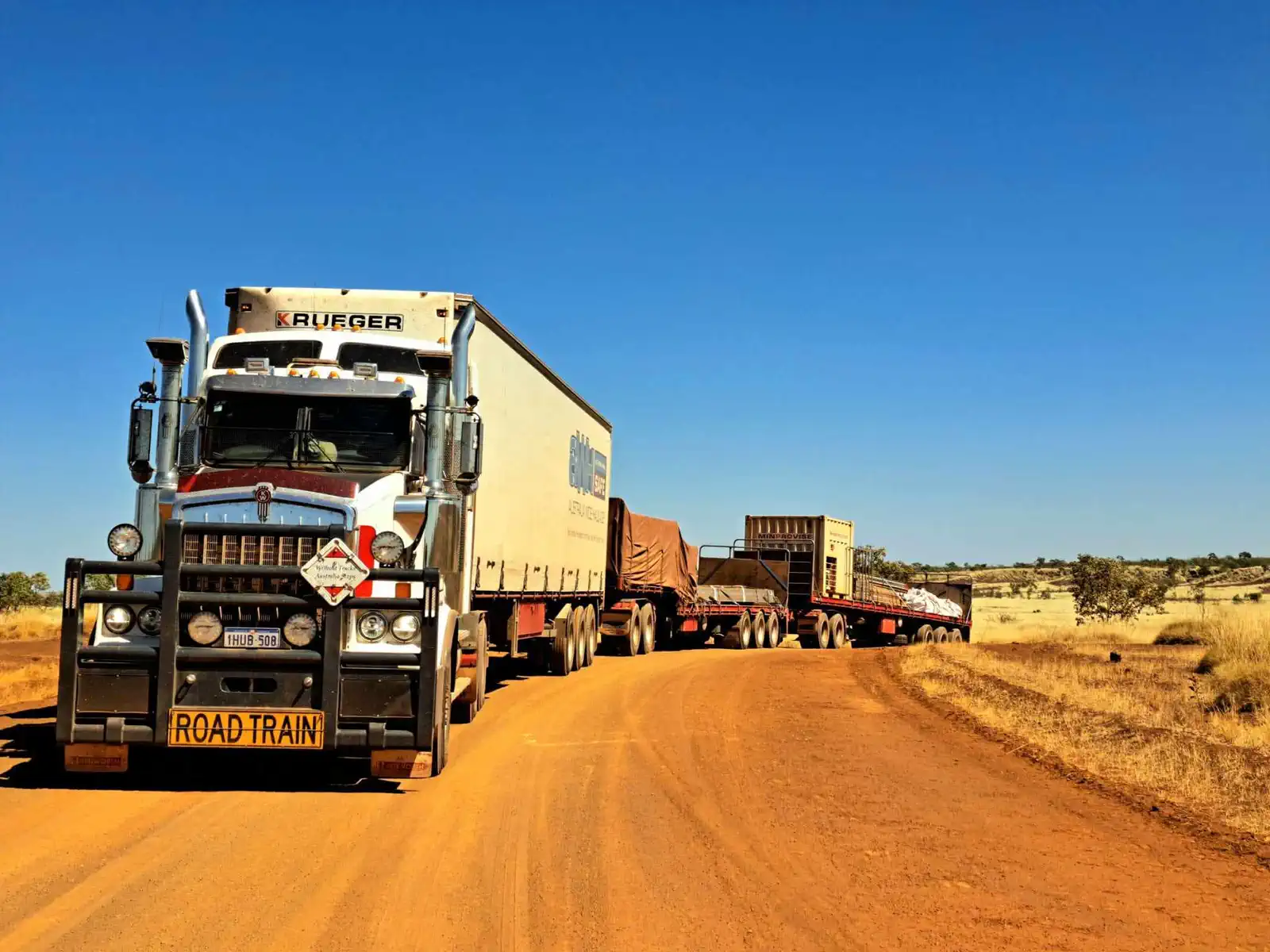
CHOOSE THE RIGHT FREIGHT PATH
Mine-site freight is not one transport category. The most suitable AWH service depends on what is moving, its loaded dimensions, the route and what needs to happen at each end.
For packaged freight, project components or larger consignments that need the capacity of a dedicated truck movement.
For excavators, loaders, graders and other mobile plant assessed around machine dimensions, mass and loading requirements.
For indivisible loads outside standard dimensions or mass limits where route, permit, pilot or escort conditions may apply.
For general freight moving to regional and remote WA locations where distance, access, handover and timing need practical planning.
LOAD CAPABILITY
AWH can assess a range of mine-site and remote project freight. Final suitability depends on accurate load information, equipment availability, the proposed route, site access and the agreed scope.
Dangerous or regulated goods, craneage, lifting, staging and unusual loading tasks must be disclosed during the enquiry. They are not assumed to be included and will only form part of the service when AWH confirms them in the agreed scope.
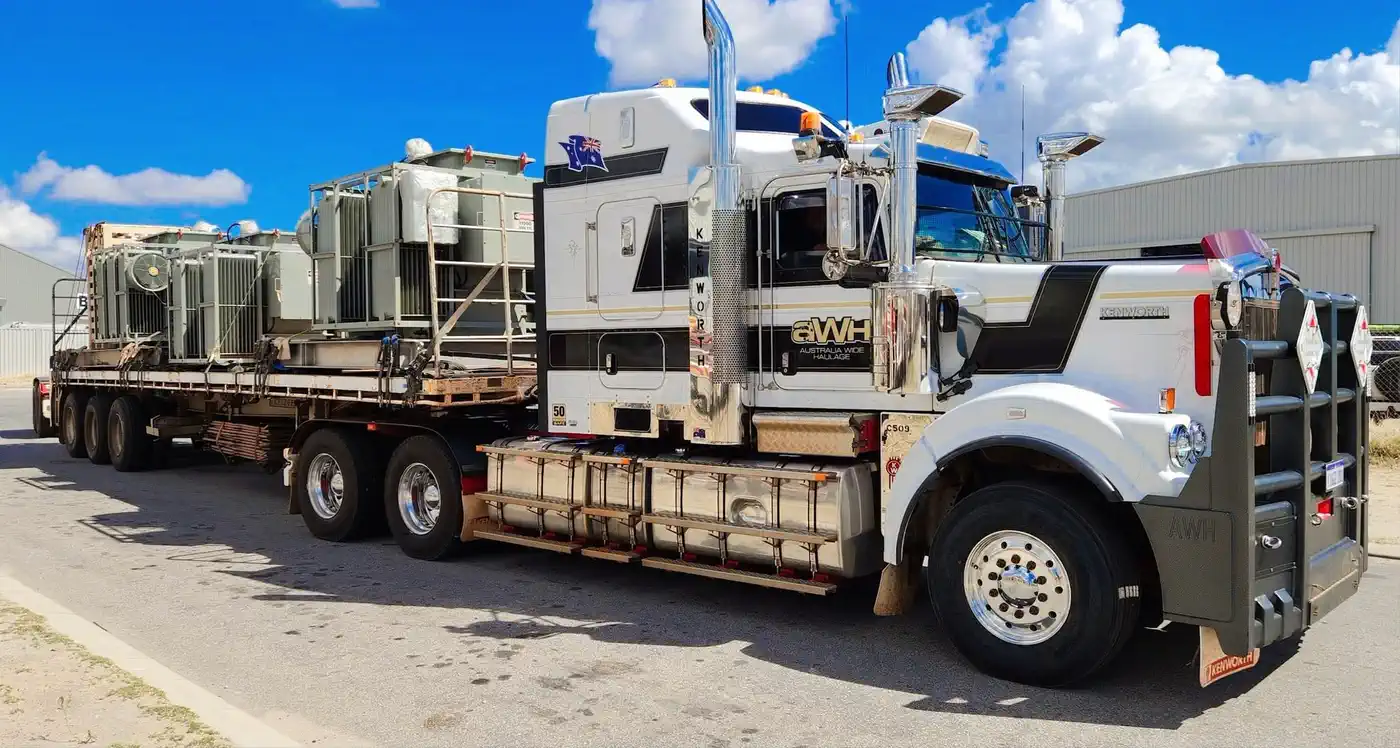
Excavators, loaders, graders and other mobile plant are reviewed through the same load-specific process used for heavy machinery transport.
Indivisible plant and equipment that may require an over-dimensional movement plan.
Buildings, frames and structural components assessed around loaded dimensions, restraint, clearances and delivery access.
Crated, palletised or packaged consignments that may suit a full truck load or another confirmed combination.
Site-bound freight planned around quantities, handling requirements, delivery timing and the receiving contact.
Equipment or project freight moving between facilities, laydown areas and approved destinations, subject to route and access review.
HOW THE SERVICE WORKS
Confirmed information controls the transport plan. The job moves through five practical stages so freight, route and destination requirements are considered together.
Provide the load description, dimensions, mass, photos or drawings, locations, loading information and preferred timing.
AWH reviews the freight against available truck, trailer, loading and restraint options before proposing a suitable approach.
The proposed journey is checked for network access, clearances, restrictions, road conditions and any movement-specific requirements.
Gate procedures, site contacts, delivery windows, induction information, working space and handover arrangements are confirmed.
The driver completes the agreed movement and follows the confirmed delivery and site-contact arrangements.
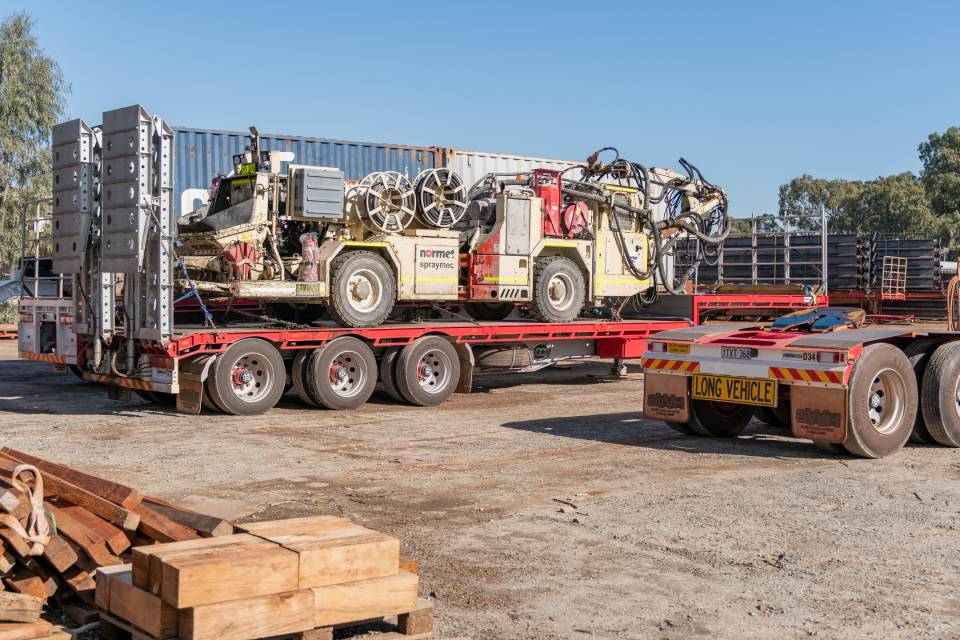
ROUTE, ACCESS AND COMPLIANCE
A mine-site destination does not automatically make the route suitable for every vehicle combination. The transport plan needs to account for the public-road network, the loaded vehicle and the receiving site’s own controls.
Road access, intersections, grades, structures, clearances, roadworks and changing conditions can affect the proposed journey.
Loaded dimensions, mass, combination and route determine whether a permit or order and any pilot or escort conditions apply.
Gate procedures, inductions, PPE, approved access roads, delivery contacts, turning space and unloading areas need to be confirmed for the job.
Operating conditions, fatigue requirements, delivery windows, weather and site programmes can influence scheduling.
Main Roads WA explains that a permit or order is required when a Restricted Access Vehicle operates on a WA public road. Requirements depend on the vehicle, loaded dimensions and mass, combination and route. Review the current Main Roads WA permits, orders and schemes and WorkSafe WA fatigue guidance. AWH confirms movement-specific responsibilities as part of the agreed transport scope.
EQUIPMENT MAPPING
Equipment is selected after the freight and journey are understood. AWH does not use one fixed combination for every mine-site movement.
Availability and suitability are confirmed per enquiry. For an explanation of how combinations work on long-distance freight routes, read what a road train is.
Suitable for larger packaged consignments and project freight where a dedicated truck movement is appropriate.
Considered for mobile plant and heavy machinery according to the machine, loading method, deck height and route.
Different deck configurations can help accommodate long, tall or unusually shaped indivisible freight where available and suitable.
Combination choice depends on load fit, approved network access, destination access and the requirements of the movement.
WESTERN AUSTRALIAN COVERAGE
AWH assesses movements with collection points in Perth and elsewhere and destinations across metropolitan, regional and remote Western Australia. Coverage is confirmed for the specific route, load and destination rather than assumed from a place name alone.
Freight movements to Port Hedland and other Pilbara destinations are planned around the route, receiving site and delivery window.
Project freight and equipment bound for Karratha require confirmed site access, handover contacts and route conditions.
Long-distance inland movements are assessed around the freight, approved route, loading method, access and timing.
Remote northern destinations require practical planning for distance, access roads, delivery contacts and receiving conditions.
Tell AWH the exact collection point and mine-site destination. A regional name alone is not enough to confirm route access, service availability or the delivery plan.
A PRACTICAL WA HAULAGE TEAM
Australia Wide Haulage is a Western Australian freight and logistics company based in Hazelmere. The mine and remote service brings load assessment, equipment selection, route planning and site coordination into one transport conversation.
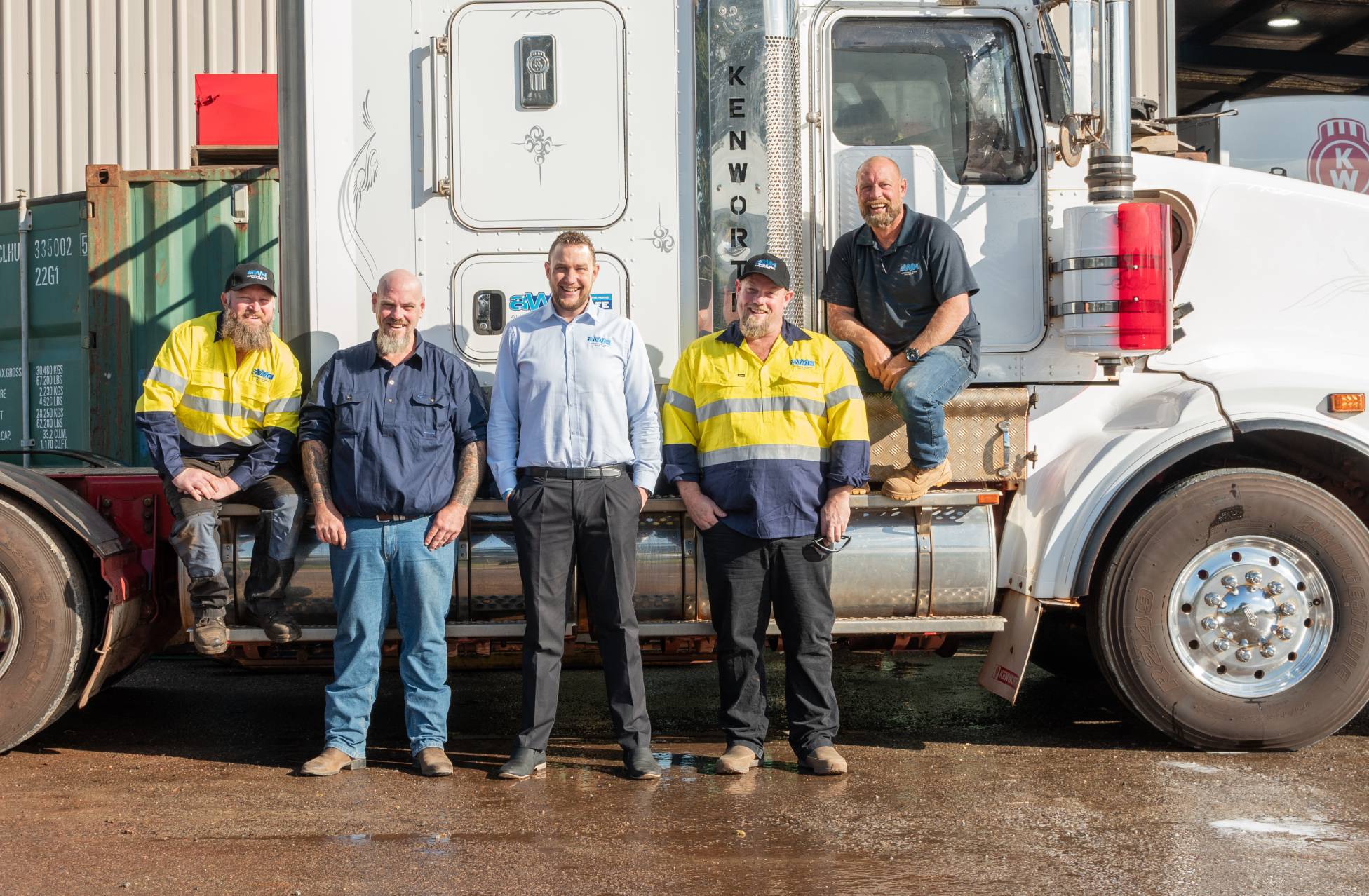
Experience with mine-site, remote-road and heavy-equipment movements
Load-specific planning before the equipment and route are confirmed
Truck and trailer options assessed against the freight and destination
Public-road and receiving-site requirements considered together
Direct coordination with customer and site contacts
Related AWH freight services for standard, heavy and over-dimensional loads
QUOTE AND COST FACTORS
There is no useful standard price for mine-site transport because the work changes with the freight and route. AWH prepares a tailored quote after reviewing the information that controls equipment, access and coordination.
Load dimensions and total mass
Collection point, destination and distance
Truck, trailer and loading requirements
Public-road access and route constraints
Permits, pilots, escorts or traffic controls where applicable
Mine-site access, inductions and delivery window
Loading, unloading, craneage or staging in the agreed scope
Programme timing and any special coordination
MINING TRANSPORT QUESTIONS
These answers explain the first planning decisions. Final equipment, route, scope and timing are confirmed only after AWH assesses the specific movement.
Mining transport services move freight, machinery and project equipment to and from mine sites. AWH focuses on road transport for mine-site freight, heavy mining and earthmoving equipment, over-length and over-width loads, transportable buildings and agreed project freight across Western Australia. AWH assesses each job against the load’s dimensions and mass, loading method, route, site access and delivery window. This service does not cover worker transport, underground haul trucks, conveyors, slurry pipelines or on-site bulk ore haulage.
Yes, subject to a load and route assessment. AWH transports heavy mining and earthmoving equipment, over-length and over-width freight, transportable buildings and project components to WA mine sites. Depending on the load, AWH may use a low loader, flat deck, drop deck or extendable trailer.The team assesses dimensions, mass, ground clearance, operating condition, attachments, loading method, route and site access. Loads outside standard road limits may require Restricted Access Vehicle planning, permits, pilots or escorts. Learn more about AWH’s heavy machinery transport and over-dimensional transport services.
Yes, subject to a route and site assessment. AWH handles mine-site and remote road transport across Western Australia, including movements to the Pilbara, Goldfields and Kimberley. The transport plan depends on the collection and delivery points, public-road access, mine access, road conditions, load configuration and site schedule. Send the full site address or coordinates because the final section of the journey can affect equipment, approvals and timing. Read AWH’s Port Hedland and Pilbara freight guide for more regional planning information.
Provide the site name and exact delivery point, access-road and gate conditions, RAV or road-train limits, induction and PPE requirements, delivery window, site contact, turning area, unloading space, and the agreed loading and unloading method. Tell AWH whether the machine can self-load and whether cranes or other lifting equipment will be available. The team combines these details with the load’s dimensions and mass to assess the trailer, route, arrival process and handover.
Requirements depend on the vehicle combination, load, route and mine site. They can include the correct heavy-vehicle licence, fatigue and fitness-for-work duties, load restraint, compliant equipment, RAV network access, permits or orders, pilot or escort conditions, site inductions, PPE and delivery documents. Main Roads WA requires a permit or order when a Restricted Access Vehicle uses a WA public road. WorkSafe WA sets fatigue-management, medical-certification and work-time record requirements for commercial vehicle drivers. AWH reviews the applicable road and site requirements for each proposed movement.
Mining transport costs depend on the freight’s dimensions and mass, journey distance, route, trailer configuration, loading and unloading, permits, pilots or escorts, mine-site access, delivery timing, waiting time and staging. AWH prices each proposed movement rather than publishing a flat per-tonne or per-kilometre rate. Two loads travelling the same distance can require different equipment, approvals and site coordination. Send exact specifications and access details for a more accurate quote.
An in-house fleet can suit predictable, high-frequency movements when the operator has the required equipment, drivers, maintenance capacity and compliance systems. Outsourcing can suit project-based, irregular or specialised road movements that require heavy-haul equipment, route planning and site coordination. Compare total cost, movement frequency, operational control and risk. Ask each provider about its equipment, loading plan, route and permit process, licences, site credentials, maintenance systems, communication method, insurance terms and experience with similar movements.
Send a clear freight description, exact dimensions and mass, make and model, operating condition, attachments, centre of gravity if known, and current photos or drawings. Include the collection and delivery points, mine-site access requirements, loading and unloading arrangements, preferred date and site contact. Identify possible dangerous goods and label preliminary dimensions or weights as estimates so AWH can confirm what must be checked before booking.
PLAN THE MOVEMENT WITH AWH
Send the freight, route, site-access and timing details. AWH will assess the proposed movement and confirm what is needed to prepare a transport quote.
REQUEST A QUOTE
Provide as much confirmed information as possible. The current enquiry form sends your details to the AWH team; photos or drawings can be supplied during the follow-up if the form does not accept attachments.