
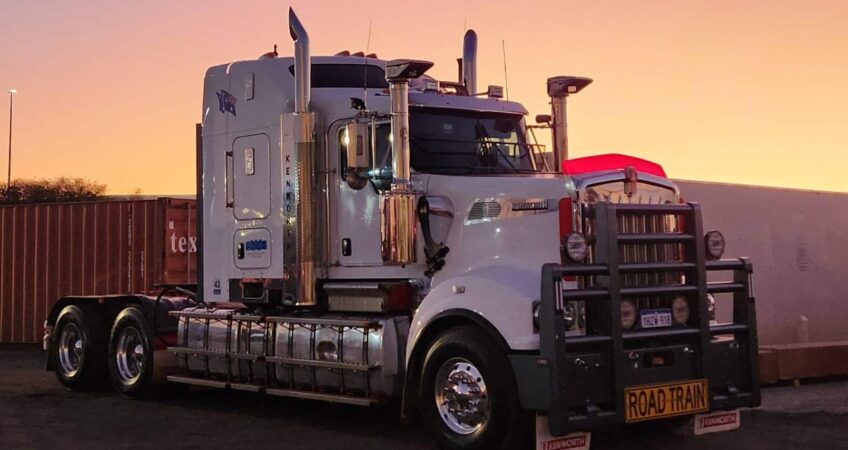
With vast geography and extreme weather events, freight in WA is not one-size-fits-all. While metro freight is predictable and fast, transporting regional freight comes with unique challenges.
The longer distances, route complexities, and limited infrastructure create significant differences in metro vs regional freight.
If you ship freight to regional towns or remote areas, this long-distance freight planning guide will help ensure efficient deliveries.
Metro Freight: Predictable, Fast, and Infrastructure-Rich
With strong infrastructure, proximity to services, and high-frequency delivery networks, metro freight is fairly straightforward.
With delivery times often in one or two business days, metro freight is known for fast, reliable transport.
Metro freight excels at efficiency and speed due to:
- Shorter distance
- Dense road networks and strong infrastructure
- Easy access to services
- More flexible scheduling
- Higher delivery density with more stops on each route
- More frequent scanning
- Minimal need for connecting agents
- Greater flexibility for booking changes and redelivery
- Easy access to depots and services
- Lower planning complexity
- Faster last-mile delivery runs
Learn More: Parcel Freight Services Perth – Reliable & Flexible Delivery.
Regional Freight: Distance Introduces Complexity
Freight changes dramatically once it leaves metro areas. Whereas metro delivery can use a single truck to quickly deliver dozens of packages, regional deliveries require days of travel and extensive planning.
One of the biggest challenges of regional freight is the lengthy travel distance between towns.
For instance, metro freight in Perth is fast and efficient. However, Perth is isolated compared to other capital cities, such as Sydney.
Want to ship freight from Perth to Sydney? You’re looking at transporting freight across 4,000 kilometres of road.
Perth to Karratha freight has to travel approximately 1,560 kilometres. Transporting freight from Perth to Port Hedland requires navigating over 1600 kilometres.
And Perth to Broome transport? Your freight will cover about 2,200 kilometres via the Great Northern Highway.
These vast distances introduce significant complexity for regional freight, including:
- Less frequent delivery runs
- Managing and relying on connecting carrier agents
- More complex last-mile routing
- Fewer delivery resources
- Poor infrastructure
- Reduced roadside services
- Higher rate of delivery complications when comparing metro vs regional freight
- Longer transit times, typically 2 to 5 business days (or more for remote deliveries)
- Increased costs due to transport complexities and higher fuel and labour costs
Regional Freight and Weather Logistics
Weather-related logistics is another challenge of regional deliveries. Regional deliveries face flooding risks during cyclone season, severe weather, bushfires, and seasonal road closures or restrictions.
Regional road freight services require pre-planned alternative routes, strong risk management, and quick adaptation.
Learn how we mitigate these weather-related freight challenges here: Weather-Related Logistics Challenges in Australia.
Remote Freight: Logistics, Access, and Risk Management
Remote freight faces even more complications than regional freight. With seasonal road closures, limited or unsealed road access, and no local recovery, expert knowledge and extensive planning are non-negotiable.
Overcoming these obstacles requires strong local knowledge, advanced route planning, and a deep understanding of remote transport logistics. Coordination with mine sites or remote facilities is crucial to timely, successful deliveries.
Learn more about the challenges and strategies for remote freight here: Mine remote transport.
How Planning Changes Across Metro, Regional, and Remote Freight
Metro vs regional vs remote freight planning all require different approaches. Metro freight requires minimal planning due to the extensive delivery networks already in place.
Remote and regional road freight services require:
- Detailed route surveys
- Permits
- Escort vehicles (Do You Need Pilot Vehicles for Oversized Loads?)
- Contingency planning
- Driver fatigue management
- Specialty equipment
- Coordination with local authorities, carrier agents, and depots
Learn more about the extensive planning that goes into freight transport here: What to Consider When Moving Oversized Haul.
Metro vs Regional vs Remote Freight
| Metro Freight | Regional Freight | Remote Freight | |
| Infrastructure | Extensive; dense road networks and readily available services | Limited; reduced roadside services; heavy reliance on long-distance trucks connecting capital cities to regional depots | Limited to no infrastructure or roadside services |
| Access | Straightforward access, shorter distances, and easy access to depots and services | Regional road restrictions; seasonal road closures can occur | Limited access, including unsealed roads and seasonal road closures |
| Challenges | Traffic congestion in high-density suburbs; CBD parking restrictions; limited loading zones | Vast distances between depots; limited carrier options; extreme weather, such as bushfires or cyclones | No local recovery or mechanical support; Limited or no cell signals; Weather-related logistics; extreme terrain |
| Typical Transit Times | 1 to 2 business days | 2–5 business days for regional carton delivery; 2-6 days for regional pallet delivery | 4–10 business days, or longer |
| Planning Required | Flexible scheduling and lower planning complexity | Route surveys;
contingency planning; long distance freight planning; lining up necessary permits and escort vehicles |
Heavy reliance on logistics planning; coordination with mine sites or remote facilities; extensive contingency planning; obtaining permits; securing escort vehicles |
Cost, Timelines, and Risk: Why Freight Pricing Changes Outside Metro Areas
The higher pricing for regional freight transport reflects the increased costs of transport. Since it covers vast distances with lower volume, regional freight is usually pricier than metro.
Freight pricing changes outside of metro areas due to:
- With fewer carriers available to complete deliveries across vast geographic areas, the cost per delivery increases
- Longer transport distances per delivery
- Higher fuel costs
- More complex routing
- Increased vehicle operating and maintenance costs
- Additional labour and handling between depots
- Permit and escort costs
- Standby time and weather delays
- Equipment availability in remote regions
- Risk pricing for access limitations
Tips for Cost-Effective, Efficient Shipping to Regional Australia
If you regularly use regional road freight services, these tips can help keep operations cost-effective and efficient:
- Be Realistic and Transparent with Your Customers: Be sure to communicate realistic expectations for your customers, depending on their location. Set realistic timelines and keep customers updated with clear communication.
- Book Early: Dispatching freight early in the week or day helps maximise your chance of utilising linehaul departures that are already scheduled.
- Choose a Trusted Carrier: Opt for regional road freight services with a proven history and confirmed map coverage in your delivery areas.
- Prioritise Accuracy: Make sure all delivery addresses, lot numbers, property names, unit numbers, contact numbers, and any delivery instructions are correct.
- Schedule Smart: When possible, avoid scheduling regional road freight services before long weekends or public holidays.
- Package Properly: Use packaging specifically designed for longer transports.
For more insider advice on cutting freight costs, see our tips: How to Reduce Logistics Costs: Save Costs for Your Business.
Choosing the Right Freight Partner for Regional and Remote WA
Remote areas that lack infrastructure and access demand specialised knowledge of less-developed routes and regional logistics.
Whether you’re transporting freight across town, to an isolated community, or to a remote mine site, a trusted freight partner is vital. Getting it right upfront prevents delays and cost blowouts.
Look for regional road freight services with:
- WA-specific experience
- Proven regional and remote routes
- Local authority and permit knowledge
- End-to-end coordination capability
- Delivery options tailored to your timeline
Freight Success Depends on Where You Are Going
Metro, regional, and remote freight are fundamentally different. As distance increases, planning and experience become non-negotiable for smooth, timely deliveries.
Need help with remote delivery freight solutions or long-distance freight planning? Our team at Australia Wide Haulage is ready to help with cost-effective, innovative solutions from heavy haulage to parcel freight.
With our own fleet and dedicated team, we offer flexible freight services, even in isolated areas. Our experienced logistics team and advanced tracking systems ensure your freight reaches its destination on time and in perfect condition.
Contact us for a transport quote and let’s get your freight where it needs to go.