
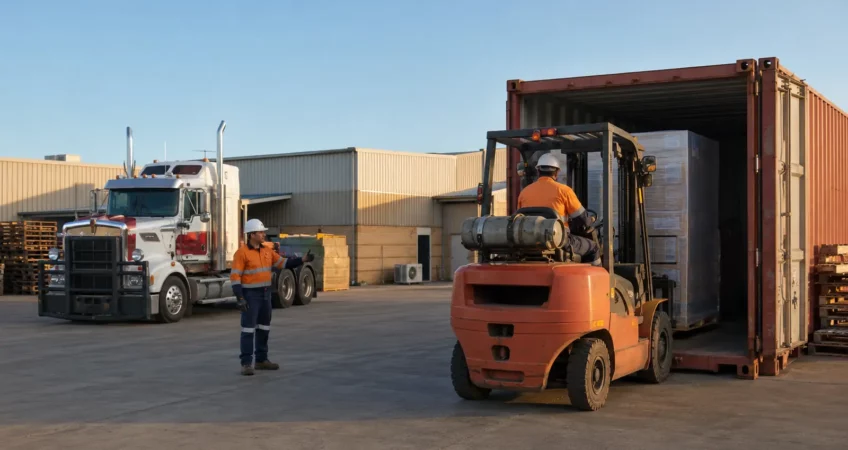
Container unpacking means removing freight from a shipping container. The receiving team checks the visible condition of the goods and organises them for storage, collection or further transport. A safe job needs accurate cargo information, a prepared unloading site, suitable handling equipment and a planned sequence.
Freight teams may also call the work container unloading, devanning, destuffing or stripping. Each term refers to unloading a shipping container.
- Container unpacking includes opening the container, removing the cargo and staging goods for their next movement.
- Before opening the doors, the team should check the packing list, cargo weights, container condition, access and equipment needs.
- Shifted loads, falling objects, moving plant, poor lighting and chemical residues can cause serious workplace injuries.
- Handling equipment must suit the cargo weight, size, packaging and available space. A forklift will not suit every load.
- Workers should record shortages and visible damage before goods move into storage or onward transport.
- Outside support may be appropriate when a business lacks trained staff, suitable equipment or enough unloading space.
Need help with an upcoming container? Learn more about our container unpacking services, including the information we need to assess a job.
What is container unpacking?
Container unpacking involves removing cargo from a shipping container and preparing it for its next destination. The work covers a wide range of tasks. These may include unloading pallets or loose goods, checking visible damage, counting items, sorting freight and staging it for storage or transport.
The scope changes from one container to another. A container of standard pallets presents different handling requirements from one carrying mixed cartons, long materials, machinery or unsecured goods.
The process also connects unloading with storing or transporting goods to their next location.
Container unpacking may take place at a warehouse, depot, distribution centre, construction site or project site. The location needs enough space, stable ground and suitable lighting. The work plan must also keep people clear of moving plant.
What should happen before a shipping container is opened?
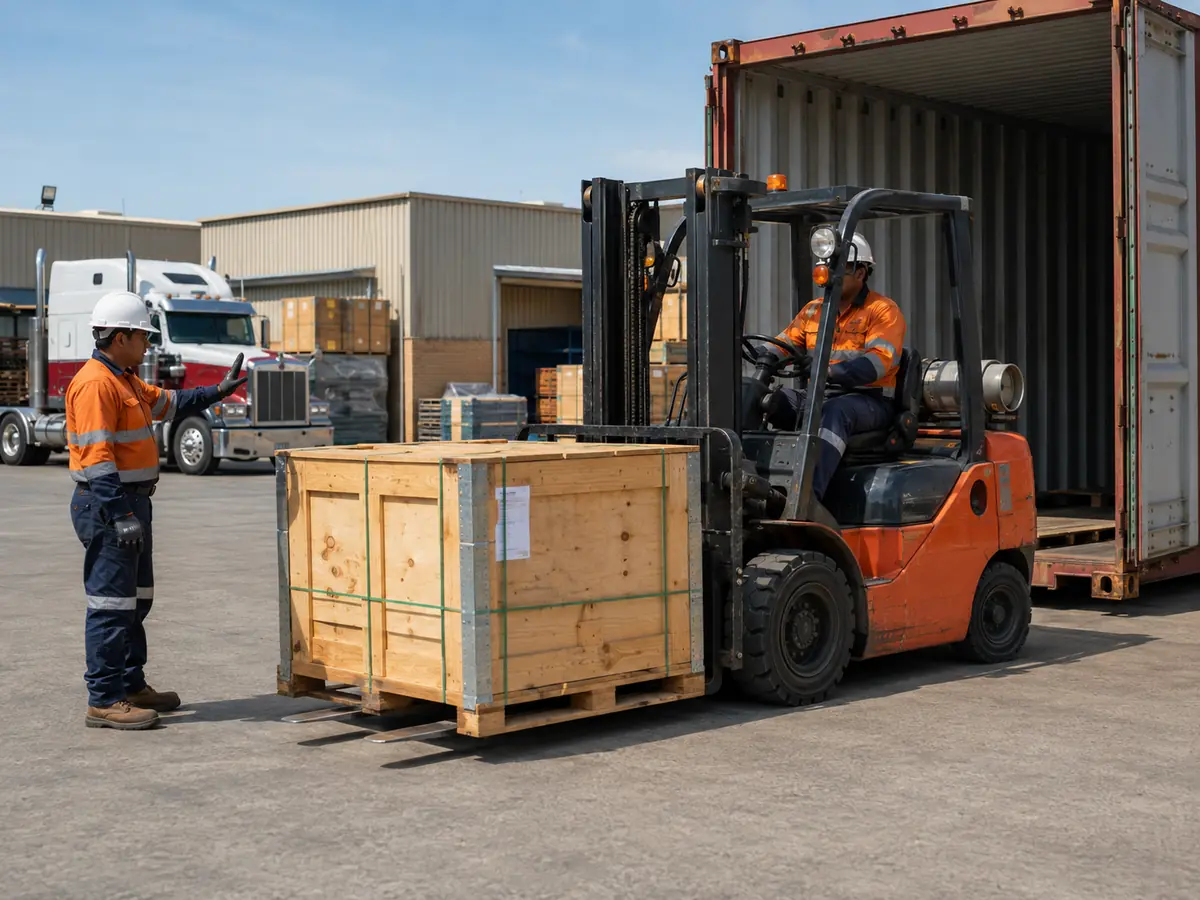
The person responsible for the work should review the cargo details, unloading area, container condition and proposed method before anyone opens the doors. This preparation helps the team identify hazards and arrange suitable equipment before work starts.
| Check | What to confirm |
|---|---|
| Container details | Container number, size, seal number and any external damage or warning notices |
| Cargo documents | Packing list, load plan, quantities, item descriptions and delivery instructions |
| Weights and dimensions | Total cargo weight and the weight, size and centre of gravity of individual items where available |
| Packing method | Palletised, boxed, floor-loaded, restrained, loose, fragile or unusually shaped freight |
| Chemical information | Fumigation notices, dangerous goods documents, safety data sheets and any known residue risks |
| Work area | Ground condition, weather exposure, lighting, overhead hazards, available space and access restrictions |
| People and plant | Trained workers, suitable equipment, pedestrian exclusion areas and clear communication arrangements |
| Next destination | Storage bay, collection point, inventory area or vehicle for onward transport |
Inspect the container exterior before breaking the seal. Bulging doors, damaged hinges, distorted panels or unusual movement can indicate that cargo has shifted. If freight may fall or force the doors open, stop and revise the unloading method.
Safe Work Australia explains that sealed shipping containers can contain hazardous chemical residues in the air or on surfaces. Check warning notices, fumigation information and cargo documents before entry or unloading.
How is a shipping container unpacked?
A shipping container should be unpacked through a planned sequence that controls access, opens the doors safely and removes goods in a stable order. The exact method depends on the cargo and site.
1. Position and isolate the container
Place the container on stable, level ground with enough room for workers and equipment. Separate the unloading area from unrelated vehicles and pedestrians using the controls required by the site.
2. Check the container and documents
Confirm the container and seal numbers, review warning notices and record visible exterior damage. Check the packing list and load information against the container scheduled for unloading.
3. Assess the door-opening risk
Look for signs that freight has shifted or may be pressing against the doors. Workers should follow the site’s documented opening procedure and stay outside the potential path of a door or falling cargo.
4. Address ventilation or chemical risks
Treat the air inside a sealed container as a potential hazard until the risk assessment shows otherwise. If documents, notices, odours or other information indicate a chemical risk, stop access. Apply the required ventilation, testing and specialist controls.
5. Confirm the unloading sequence
Plan the order in which restraints and goods will be removed. The method should keep the remaining load stable and avoid requiring workers to climb over freight or stand between cargo and operating plant.
6. Remove the cargo
Use trained workers and equipment rated for the load and attachment. Keep pedestrians away from forklifts and other mobile plant. Workers handling goods manually need a method that manages heavy, repetitive, bulky or awkward tasks.
7. Check and record the freight
Workers compare each unloaded item with the packing list. They record visible damage, shortages, broken packaging or signs of movement before the goods leave the receiving area.
8. Sort and stage the goods
Place freight in the agreed storage, inspection or dispatch zones. Maintain clear aisles and keep damaged, leaking or unidentified items separate until the responsible person provides instructions.
9. Prepare any onward movement
Confirm which goods will remain on site and which need further transport. Cargo dimensions, weights, destination and access conditions will determine whether the next movement suits general freight, a full truck load or a more specialised transport method.
What are the main container-unpacking hazards?
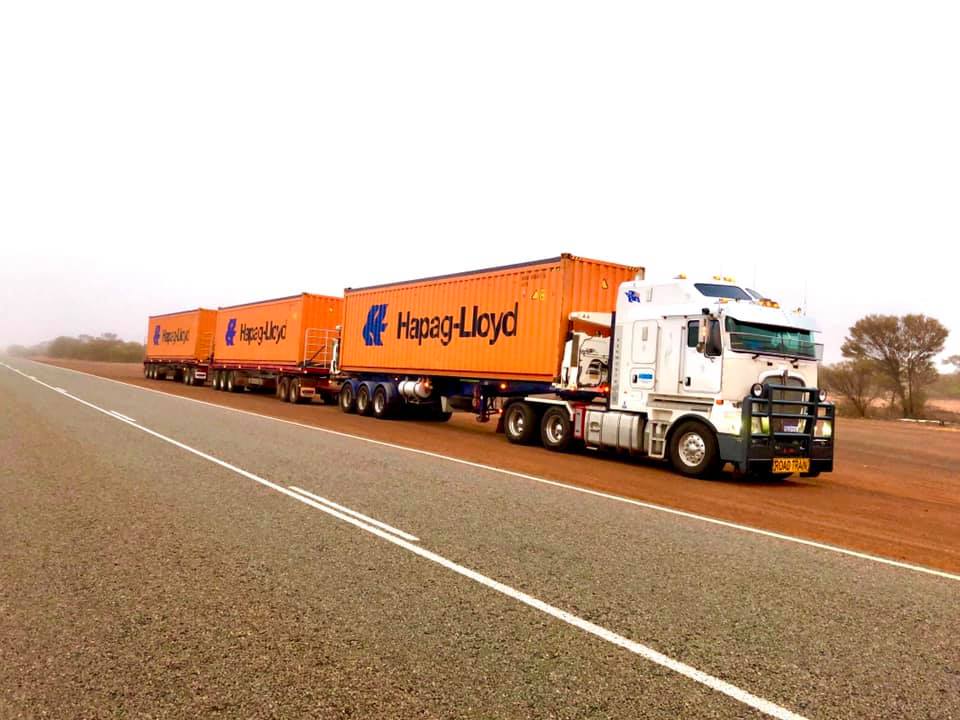
The main hazards include falling or shifted cargo, moving plant, hazardous manual tasks, slips and chemical exposure. Poor lighting, heat and uneven ground can increase the risk of workplace injuries. The unloading site and packing method affect the controls required.
| Hazard | Why it matters | Reducing the risk |
|---|---|---|
| Shifted or unsecured cargo | Goods may fall or push against the doors when opened | Inspect the container, assess the doors and use a controlled opening method |
| Falling objects | Loose cartons, sheet materials or stacked items can strike workers | Keep people out of fall zones and remove goods in a stable sequence |
| Forklifts and mobile plant | Workers can be struck or pinned in a shared work area | Separate pedestrians and plant, control access and use clear communication |
| Unsuitable equipment | Overloaded or unsuitable plant and attachments may become unstable | Confirm load weights, rated capacity, attachment limits and operating space |
| Hazardous manual tasks | Heavy, repetitive or awkward work can cause strains and other injuries | Reduce manual handling and use suitable mechanical aids where practicable |
| Chemical residues or fumigants | Vapours or contaminated surfaces may harm workers | Check notices and documents, restrict access and arrange ventilation or testing when required |
| Uneven ground and limited space | Plant may become unstable and workers may have poor access | Use a level work area with enough clearance around the container |
| Heat, poor lighting or wet weather | Conditions can increase fatigue, visibility problems and slips | Provide suitable lighting and site controls for the conditions |
| Damaged or leaking packages | Contents may create chemical, sharp-object or contamination risks | Isolate the item and follow the cargo and site emergency procedures |
SafeWork NSW’s guide for unpacking shipping containers explains these hazards in more detail. WorkSafe WA includes this guide among its container-unpacking and forklift safety resources.
This article provides general planning information. The person or business controlling the work must assess the actual container, cargo and site. The controls must reflect current WHS duties, site procedures and safety standards.
What equipment may be needed to unload a container?
The equipment must match the cargo weight, size, packaging and working area. Teams should select the method after reviewing the load information, rather than assuming that every container can be unpacked with a forklift.
Common handling equipment and controls include:
- A forklift or other mechanical handling plant with enough rated capacity
- Approved attachments suited to the plant and cargo
- Suitable lifting equipment for long, heavy or awkward items
- Pallet jacks, trolleys or other materials handling equipment for suitable goods
- A loading dock, ramp or access arrangement suited to the container and equipment
- Load restraints or supports used under an approved unloading method
- Barriers and signs to control the work area
- Task lighting where the container or site has poor visibility
- Ventilation or air testing equipment where the risk assessment identifies a chemical exposure risk
- Personal protective equipment selected for the remaining risks
Plant operators must hold any licence required for the equipment they use. The team must check the plant’s rated capacity with the selected attachment fitted. It must also assess the load centre and available manoeuvring space.
Personal protective equipment may include gloves, safety footwear, eye protection, hard hats or high-visibility clothing. The task and remaining risks determine the selection. PPE does not replace controls that remove or reduce the hazard at its source.
Is manual or mechanical unloading more suitable?
Manual unloading may suit smaller, lighter goods when the task avoids heavy force, repeated movements and awkward posture. Mechanical unloading often moves palletised, heavy, bulky or high-volume freight more safely and efficiently.
Mixed containers may require both methods. The team should break the job into tasks, assess each one and choose controls that reduce lifting, carrying and interaction with mobile plant.
How should unloaded freight be checked and organised?
Workers should compare the unloaded goods with the packing list. They then record the visible condition and place each item in a defined staging area. This process helps the team identify shortages, damage and the correct next destination.
A practical receiving record may include:
- Container and seal numbers
- Date, time and unloading location
- Item or pallet count
- Packaging condition
- Photographs of visible damage
- Notes about shifted, wet or crushed cargo
- Details of shortages or unexpected items
- The storage, quarantine or dispatch location assigned to each item
The receiving team should not describe a product as undamaged after an external check alone. Packaging can hide internal damage until the cargo owner opens or inspects it.
Before moving goods into racking or other storage systems, check the assigned location, load rating and access method. Large or time-sensitive jobs may also need agreed progress updates so the warehouse or project team can follow the unload in real time.
What should happen if goods are damaged or leaking?
Stop and isolate damaged or leaking freight when it may create a safety risk. Keep workers away, preserve the available evidence and notify the site contact or cargo owner under the agreed process.
Take photographs before moving the item when the area is safe. Record the container, seal, package identification and visible condition. Do not handle an unknown leak until the responsible person identifies the substance and required controls.
Dangerous goods require load-specific documents, trained personnel and controls. Our guide to transporting dangerous goods explains the broader transport planning considerations.
When should container unpacking be outsourced?
A business should consider outsourcing when its team lacks the training, equipment, space or time needed for the specific container. Outside support can also help when cargo is heavy, mixed, unusually shaped or needs onward freight coordination.
An in-house team may suit predictable cargo when the site has trained workers and equipment matched to the loads. Compare the full cost of labour, equipment hire, site disruption and onward transport. This gives a more useful view of whether outsourcing will be cost effective.
Consider outside support when:
- The cargo weights or dimensions are unclear
- Goods may have shifted or become unstable in transit
- The container includes heavy, long or awkward items
- Your forklift, attachments or loading area do not suit the load
- Pedestrians and plant cannot be separated within the available space
- The work involves chemical residues, fumigation notices or regulated cargo
- Your team cannot complete the unload within the required receiving window
- Goods need sorting, staging and onward transport after unloading
For recurring or long-term work, assess the provider’s communication, records and customer service. Confirm that its process can support the receiving site’s safety and quality standards.
What information does a container-unpacking team need?
The team needs enough information to choose the unloading method, equipment and work area before attending the site. Clear documents and photographs can prevent delays caused by unknown cargo or unsuitable access.
Provide:
- The container size and type
- The container number and expected arrival time
- A packing list and load plan, if available
- Cargo descriptions, quantities, weights and dimensions
- Details of pallets, crates, loose items and load restraints
- Dangerous goods or fumigation documents where relevant
- Photographs of the packed cargo or container doors, if available
- The unloading address and site contact
- Ground, access, height and working-space restrictions
- The required storage, staging or onward transport arrangements
- Your preferred completion date or receiving window
If exact weights are unavailable, say so at the start. The team may need more information before it can confirm the equipment and scope.
Frequently asked questions
Can a shipping container be unloaded at a construction or project site?
Yes, if the site provides a suitable work area and the team can control the risks. Check the ground, access, overhead hazards, lighting, pedestrian movements and space for plant before the container arrives. The cargo and site conditions determine the unloading method.
Does every shipping container require air testing?
Not in every case. The person controlling the work must assess the risk of hazardous chemical exposure. Warning notices, fumigation records, supplier information, odours or other signs may show that ventilation, air testing equipment or specialist advice is required. Safe Work Australia provides general guidance, while the relevant regulator oversees WHS requirements.
Is professional container unloading cost effective?
It can be when the receiving site lacks trained workers, suitable equipment or enough space. Compare the total cost of labour, equipment hire, delays, damage risk, staging and onward transport. A lower hourly rate does not always produce a lower total job cost.
What is the practical approach to container unpacking?
A safe container unpack starts before the doors open. Review the cargo details, inspect the container and prepare the unloading area. Confirm how workers will remove, check and stage each item.
Australia Wide Haulage is a family-owned WA freight and logistics business with origins dating back to 1985. We plan freight work around the cargo, site, equipment and next destination, including onward heavy machinery transport where the load requires it.
Need help planning an upcoming container unload? Speak with our team about the container size, packing list, cargo details, unloading address and preferred timing.